Magnesium Citrate: What It Is Actually Good For

Magnesium citrate is genuinely good at two jobs: clearing occasional constipation and topping up your magnesium in a form your gut absorbs well. That’s the list. Sleep, cramps and migraines show up on every supplement roundup, but the evidence there runs from “probably, with a doctor” down to “not really.” Here is each claim, and which bottle you actually need.

Why is magnesium citrate sold as both a supplement and a laxative?
Magnesium citrate is sold as a daily supplement and as an over-the-counter laxative, and the dose is the whole difference. A capsule carries a modest amount, listed as elemental magnesium on the Supplement Facts panel, as the NIH Office of Dietary Supplements (ODS) explains. The 10-ounce bottles in the laxative aisle are another animal: the Walgreens label on file with the National Library of Medicine’s DailyMed lists 290 mg of magnesium per fluid ounce and an adult dose of 6.5 to 10 ounces.
A full bottle of magnesium citrate holds about 2,900 mg, roughly eight times the 350 mg daily ceiling ODS sets for supplemental magnesium in adults. Not a misprint. Great for a stubborn morning, a bad idea as a habit, so read which one you’re holding.
Is magnesium citrate good for constipation?
Yes, magnesium citrate is an effective short-term fix for occasional constipation, and that is its best-documented use. MedlinePlus, the National Library of Medicine’s drug guide, calls it a saline laxative that keeps water in the stool, usually producing results within 30 minutes to 6 hours. Not the drink for right before a long commute.
Magnesium citrate oral solution carries firm rules on its label: a full 8-ounce glass of liquid with each dose, other medicines 2 hours apart, and a doctor’s okay first if you have kidney disease, stomach pain, nausea or a bowel change lasting over 2 weeks. MedlinePlus adds a one-week limit. Rectal bleeding, or no bowel movement after a dose, means stop and call your doctor. It is also used to empty the colon before a colonoscopy; if that’s your reason, follow your clinic’s prep sheet, not the bottle.
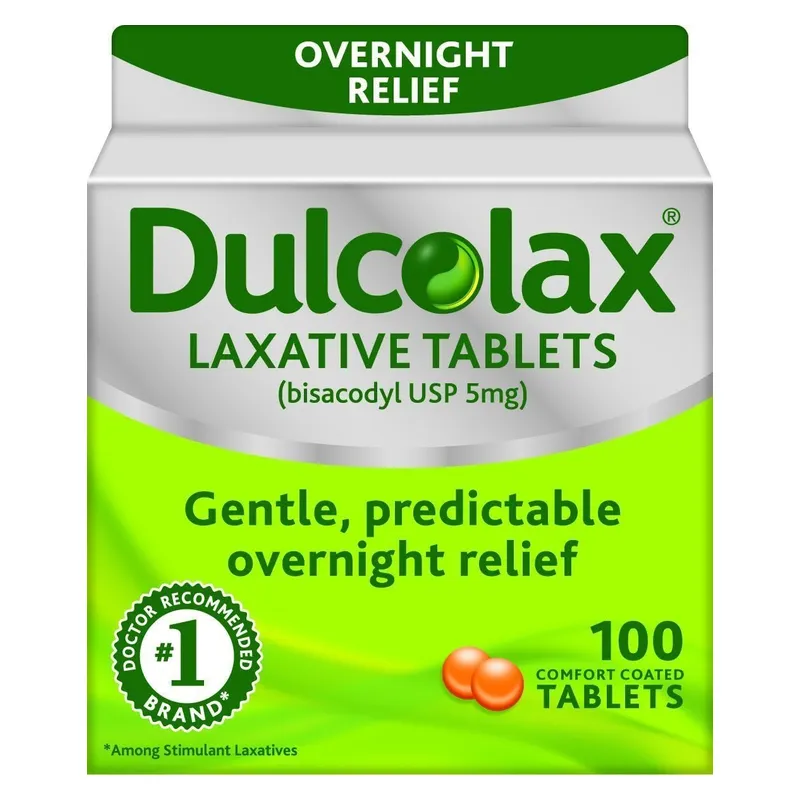
Magnesium citrate isn’t the only option, and label timing is the easiest way to choose. Dulcolax 5 mg Laxative Tablets contain bisacodyl, a stimulant laxative with a 6 to 12 hour window, so an evening dose tends to land by morning. Dulcolax Stool Softener uses docusate sodium and works over 12 to 72 hours, slow enough that it suits prevention more than rescue. More options live in our gut and digestive health section, and our fiber supplements comparison covers the slow, daily route.
Is magnesium citrate a good way to get more magnesium?
Yes, magnesium citrate is one of the better-absorbed forms if your goal is simply more magnesium. ODS reports that small studies found citrate more bioavailable than magnesium oxide, the cheap form in many drugstore bottles. Plenty of people could use the top-up: ODS cites NHANES 2013 to 2016 data showing 48% of Americans get less magnesium from food than their estimated average requirement.
Magnesium citrate at supplement doses can still loosen stools as you raise the dose. My advice: start low, take it with a meal, and stay under 350 mg of supplemental magnesium a day unless a doctor says otherwise (food doesn’t count, per ODS). If your gut complains, glycinate is the gentler cousin, compared in Magnesium Glycinate vs Citrate: Which One and When. Eyeing a multi-form “complex”? Read our blend breakdown first.

Does magnesium citrate help with sleep, cramps or migraines?
Magnesium citrate’s reputation runs ahead of its evidence on most popular claims. One caveat: most of these studies tested magnesium in general, not citrate by name.
| Claim | What the evidence says | Our verdict |
|---|---|---|
| Occasional constipation | MedlinePlus classes it as a saline laxative; the label window is 30 minutes to 6 hours | Works, short term |
| Low magnesium intake | NIH ODS lists citrate among the better-absorbed forms, ahead of oxide | Works |
| Migraine prevention | The American Academy of Neurology and American Headache Society call magnesium “probably effective,” per ODS; trial doses exceed 350 mg | Plausible, with a doctor |
| Falling asleep | A 2021 review in BMC Complementary Medicine and Therapies: 3 small trials in 151 older adults, who fell asleep about 17 minutes faster; evidence rated low to very low quality | Weak |
| Night leg cramps | A 2020 Cochrane review of 11 trials and 735 people found no meaningful drop in cramps for older adults | Unlikely |
| Bone health | One 30-day study of 20 postmenopausal women taking 290 mg a day as citrate showed lower bone turnover, per ODS | Too early to say |
Magnesium citrate for migraine deserves a real talk with your doctor, because ODS notes the preventive doses sit above the safe upper limit. For sleep, our melatonin dosage guide is a better first stop.
Who should be careful with magnesium citrate?
People with kidney disease should not take magnesium citrate without a doctor’s go-ahead. ODS notes that magnesium toxicity risk rises when kidney function is reduced, and that very large laxative and antacid doses, typically over 5,000 mg a day, have caused it.
Magnesium citrate also interferes with some prescriptions. ODS advises taking antibiotics like doxycycline or ciprofloxacin at least 2 hours before or 4 to 6 hours after magnesium, and separating alendronate by 2 hours. Our list of vitamins and supplements that should not be taken together covers other clashes worth knowing.
Frequently asked questions
How long does magnesium citrate take to work?
Magnesium citrate oral solution usually works within 30 minutes to 6 hours, according to MedlinePlus. A supplement capsule at an ordinary dose isn’t built to do that at all.
Can I take magnesium citrate every day?
Magnesium citrate as a supplement, yes, within the 350 mg adult limit for supplemental magnesium set out by ODS. As a laxative, no: MedlinePlus says not beyond a week unless your doctor directs it.
Is magnesium citrate the same as milk of magnesia?
No. Milk of magnesia is magnesium hydroxide; ODS lists Phillips’ at 500 mg of elemental magnesium per tablespoon. Both are magnesium laxatives, so taking them together just stacks the dose.
Can I use magnesium citrate while pregnant?
The magnesium citrate laxative label says to ask a health professional first if you are pregnant or breastfeeding. That choice belongs to your OB.
This article is general information, not medical advice. Talk to your doctor or pharmacist about your own situation.