Best Time to Take Vitamin D and Why It Matters
By Clara Brandt, supplement and nutrition writer who reads the label and the NIH fact sheet before anything else; not a dietitian, so check a new supplement with your doctor first.
Vitamin D works best when you take it with the largest meal of your day, and the exact hour matters far less than most articles pretend. That is the whole answer up front. Vitamin D is fat soluble, so it hitches a ride on the fat in your food, and a real meal beats an empty stomach at any time of day. If your biggest meal is dinner, take it at dinner. If it is lunch, lunch wins. Pick the meal you never skip, park the bottle next to something you see at that hour, and you are done. The rest of this guide covers the evidence behind that advice and the small details worth getting right.
When is the best time to take vitamin D?
The best time to take vitamin D is with your largest meal, because absorption, not the clock, is what actually changes with timing. The most direct evidence comes from a small study by Mulligan and Licata, published in the Journal of Bone and Mineral Research in 2010. Seventeen patients who had been taking vitamin D on an empty stomach or with a light snack moved their dose to the largest meal of the day. Their blood levels of 25-hydroxyvitamin D, the marker doctors test, rose by roughly 50 percent over the following months, and the effect held across doses from 1,000 to 50,000 IU. Seventeen people is a small sample and deserves that caveat. But the direction of the result matches exactly what you would expect from a fat soluble vitamin, and the fix costs nothing.
What about morning versus night? Honestly, no large trial has crowned a winner. The popular claim that vitamin D at night ruins sleep by suppressing melatonin rests on theory and anecdote, not solid trial data, so we will not pretend otherwise. If you actually take melatonin for sleep, how much melatonin actually helps is a separate question, and the answer is less than most bottles suggest. If your evening capsule seems to keep you wired, move it to breakfast and see. Your own experience is the only study that matters there. Magnesium gets the same morning-or-night question, and our magnesium dosage and timing guide answers it just as plainly.
Why the meal matters more than the hour
Vitamin D is one of the four fat soluble vitamins, a point the NIH Office of Dietary Supplements makes in its vitamin D fact sheet, and that single fact drives all the practical advice. Fat soluble means the vitamin dissolves into dietary fat and gets packaged with it during digestion. No fat at the table, less vitamin absorbed. You do not need a feast. The fat already in eggs, yogurt, olive oil on a salad, a handful of nuts, or the salmon you were eating anyway is plenty. What you want to avoid is the black-coffee-and-a-capsule routine, where the vitamin has nothing to travel with.
Timing options compared
| Timing | Does it work? | Worth knowing |
|---|---|---|
| With your largest meal | Best supported | The approach tied to a 50 percent rise in blood levels in the 2010 Mulligan study |
| With breakfast | Good, if breakfast has fat | Easiest habit to keep; eggs or full-fat yogurt do the job, dry toast does not |
| With dinner | Good | Often the biggest meal in American households; switch to mornings if you suspect it affects your sleep |
| Empty stomach | Weakest option | The habit the Mulligan patients abandoned, and their levels jumped |
How much vitamin D do you actually need?
Most adults need 600 IU of vitamin D a day through age 70, and 800 IU after that, according to the Recommended Dietary Allowances set by the Institute of Medicine and carried by the NIH Office of Dietary Supplements. The same guidelines put the tolerable upper intake at 4,000 IU a day for adults. Plenty of bottles on the shelf contain more than that per softgel, which is exactly why timing is the second question, not the first. If you are dragging through every winter, spend your days indoors, or just suspect you run low, ask your doctor for a 25-hydroxyvitamin D blood test before self-prescribing a heavy dose. A number beats a guess, and high-dose vitamin D is not harmless.
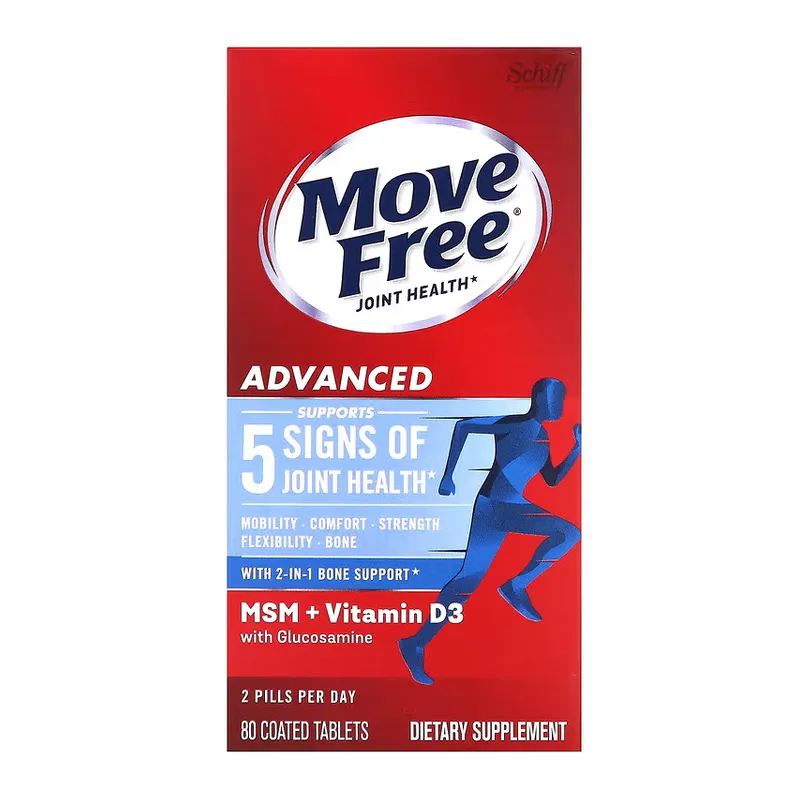
The largest-meal rule also applies when your vitamin D arrives inside a combination product. Move Free Advanced Plus MSM and Vitamin D3 pairs the vitamin with joint-support ingredients, and PreserVision AREDS 2 with multivitamin includes vitamin D alongside its eye formula. Both labels direct you to take them with food, and now you know why the manufacturers put that line there.
Frequently asked questions
Can I take vitamin D on an empty stomach?
You can take vitamin D on an empty stomach, it just absorbs less reliably without dietary fat to carry it. If you follow a fasting schedule, take the capsule with your first proper meal instead of during the fasting window. We cover the wider question in our guide to taking vitamins and supplements while fasting.
Does vitamin D at night keep you awake?
There is no strong trial evidence that evening vitamin D disrupts sleep. The claim circulates widely but rests on theory and individual reports. If you personally sleep worse after an evening dose, move it to a morning or midday meal, which costs you nothing and settles the question for your own body.
Is it better to take vitamin D daily or weekly?
Daily dosing with a meal is the simplest habit to keep, and the Mulligan study saw its 50 percent improvement across many dosing patterns, so consistency matters more than the schedule. Some doctors prescribe larger weekly doses for diagnosed deficiency. That is a medical decision, so follow the prescription you were given rather than an article, this one included.
Can I take vitamin D with my other supplements?
Vitamin D combines safely with most common supplements, and taking it alongside a multivitamin at a meal is fine. A few pairings do deserve care, which is why we wrote a separate guide on which vitamins and supplements should not be taken together. When in doubt, especially with prescription medication in the mix, ask your pharmacist. It is a two-minute conversation.