Best Toenail Fungus Treatment (2026): What Actually Works
From over-the-counter antifungals to nail-care oils, here is an honest guide to treating toenail fungus, what clears the infection, what supports the nail, and when to see a doctor.
See the nail-care picks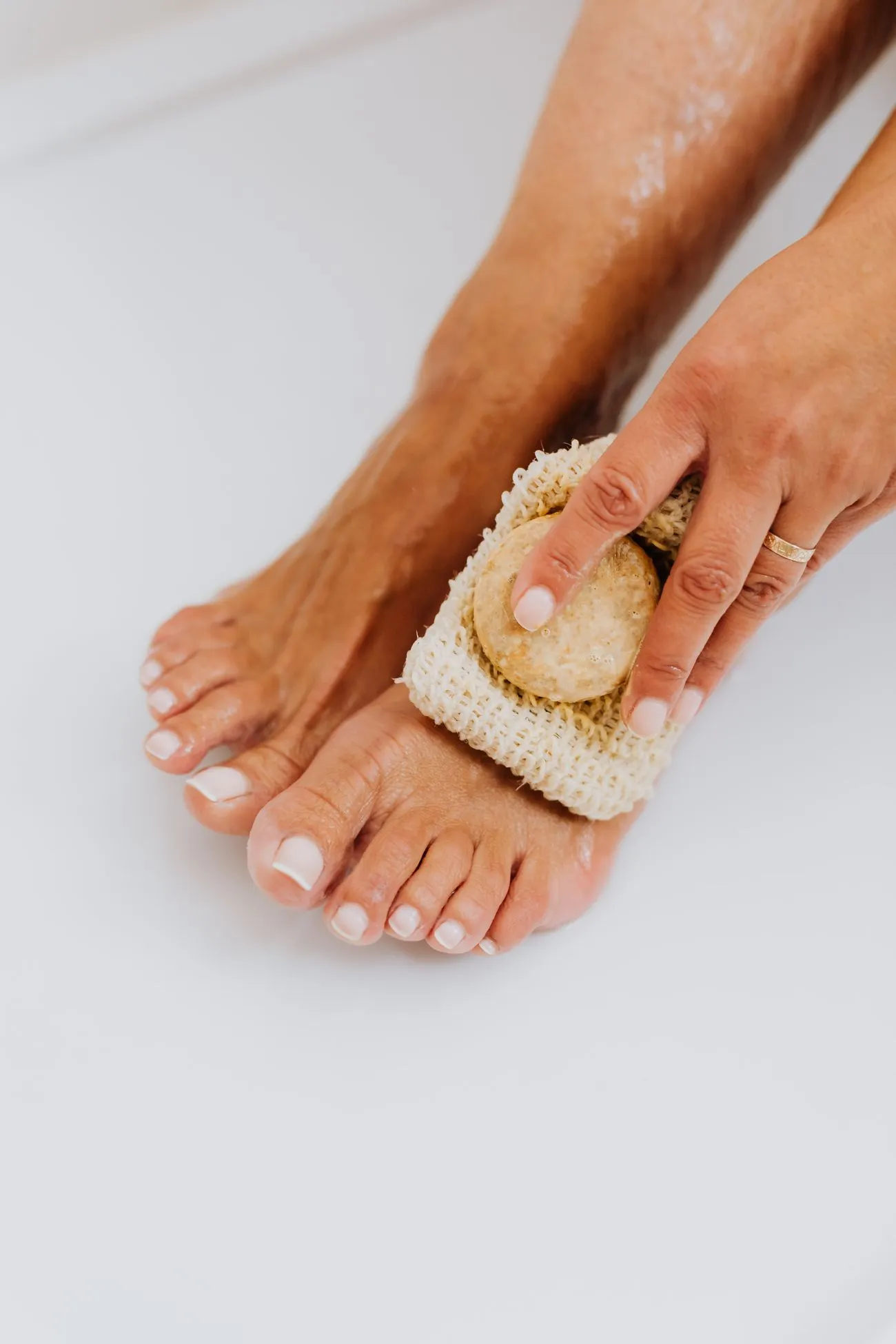
The honest short version (read this first)
Toenail fungus is slow and stubborn, and most of the “miracle cure” marketing oversells. Here is the truth in order of what actually works: (1) first, make sure it really is fungus, a doctor can confirm it, because plenty of discoloured nails are not fungal; (2) the treatments that actually clear an infection are real antifungals, over-the-counter topicals (like terbinafine, clotrimazole or amorolfine-type lacquers) for mild cases, or prescription oral antifungals for stubborn ones; (3) nail-care oils and serums, including our picks below, are for the look and condition of the nail and surrounding skin, used alongside proper treatment, not instead of it. With that clear, our top nail-care picks are Kerassentials (a doctor-formulated nail-and-skin oil) and Metanail (a broad nail-and-foot serum). Be patient: a toenail takes 6 to 12 months to grow out, so any approach needs months, not days.
Best nail-care oils & serums at a glance
| Product | Best for | Format | Our rating |
|---|---|---|---|
| Kerassentials | Best nail-and-skin oil for nail appearance | Topical oil (dropper) | 4.6/5 |
| Metanail | Best broad nail-and-foot serum | Topical serum | 4.5/5 |
| OTC antifungal (e.g. terbinafine cream) | Actually treating mild infection | Pharmacy | See a pharmacist |
| Prescription oral antifungal | Stubborn or severe infection | Doctor | See a doctor |
Our top nail-care picks (used alongside treatment)

Kerassentials
A doctor-formulated topical oil of plant oils and skin vitamins, applied with a dropper twice a day to the nail and the skin around it. It is our top nail-care pick because it is focused, easy to apply exactly where you need it, and pleasant to keep up over the months a nail takes to grow out. It supports a clean, healthy-looking nail, it is not an antifungal cure.
- Doctor-formulated oil for nail and skin appearance
- Dropper makes it easy to target the nail and edges
- 60-day guarantee on the official store
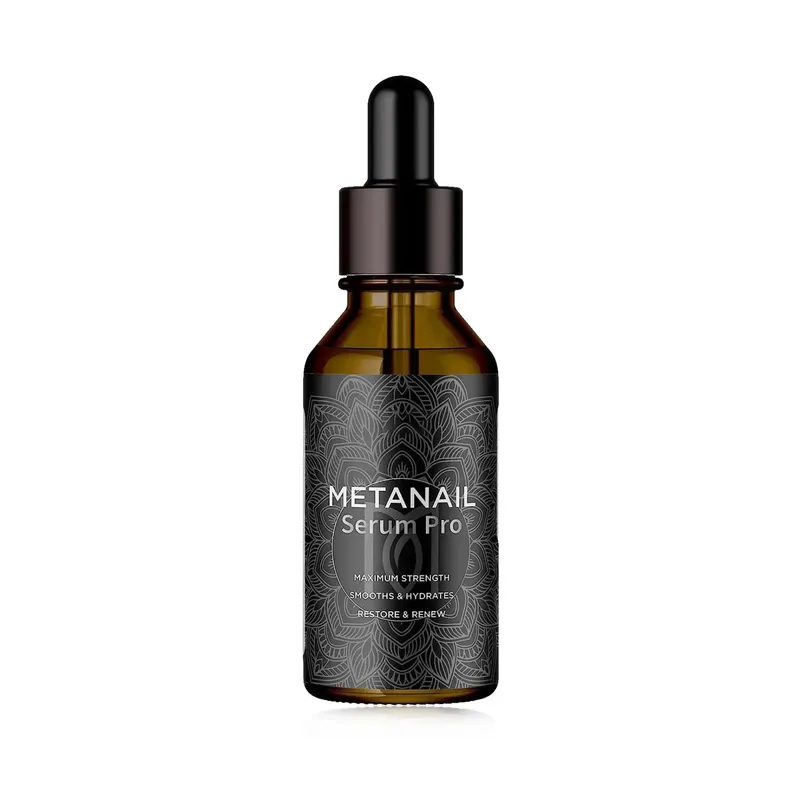
Metanail (Serum Pro)
A broad “20-in-1” topical serum aimed at the whole picture: nail strength plus the foot skin around it. It suits people who want a do-everything nail-and-foot product rather than a focused oil, though its long ingredient list means undisclosed amounts of each. Like Kerassentials, it supports nail and skin condition, not an antifungal cure.
- Broad nail-and-foot-skin serum, 20-in-1 blend
- Good if you want nail plus foot-skin support in one
- Money-back guarantee on the official store
First: is it really toenail fungus?
Before you treat anything, it is worth knowing that not every thick, yellow or crumbly nail is fungal. Psoriasis, an old injury, poor circulation, and simple ageing can all change how a nail looks. Studies of discoloured nails routinely find a large share are not fungal at all, which matters because antifungal treatment will not fix a non-fungal nail. A doctor or podiatrist can confirm it, sometimes with a quick nail clipping sent for testing, and that one step saves you months of treating the wrong thing.
If it is fungus, the classic signs are a nail that turns yellow-brown, thickens, becomes brittle or crumbly at the edge, lifts from the nail bed, and sometimes smells. It usually starts at one toe (often the big toe) and spreads slowly.
What actually treats toenail fungus
Here is the honest hierarchy of what clears a confirmed fungal infection, from a real over-the-counter and medical standpoint:
| Option | What it is | Best for |
|---|---|---|
| OTC topical antifungals | Pharmacy creams, solutions or medicated lacquers (terbinafine, clotrimazole, amorolfine-type) | Mild, early infection on a small area |
| Prescription oral antifungals | Tablets like terbinafine, prescribed and monitored by a doctor | Stubborn, thick or widespread infection |
| Laser / professional treatment | In-clinic options a podiatrist may offer | Cases not responding to the above |
| Nail-care oils & serums | Cosmetic topicals (our picks) for nail and skin condition | Supporting nail appearance alongside treatment |
The realistic truth: over-the-counter antifungals can work for mild, early cases but have modest success rates on their own, and stubborn toenail fungus often needs prescription oral treatment to actually clear. Whatever route you take, expect months of patience as a healthy nail grows out, and ask a pharmacist or doctor which over-the-counter or prescription option fits your case.
Where nail-care oils and serums fit in
This is the honest role of products like Kerassentials and Metanail: they support the look and condition of the nail and the skin around it, they are not antifungal medicines and will not, on their own, cure an established infection. Used alongside a proper antifungal (and good foot hygiene), a nail-care oil can keep the nail and surrounding skin conditioned and healthier-looking while you wait out the long grow-out, and many people simply like having something pleasant to apply daily that keeps them consistent.
So think of them as the “nail-care” layer, not the “treatment” layer. If your nail is basically healthy and you want to keep it that way, or you are pairing it with antifungal treatment, they make sense. If you have a confirmed, spreading infection, they are not a substitute for seeing a professional.
Prevention & home care that genuinely helps
- ✓ Keep feet clean and bone-dry, especially between the toes; fungus loves damp.
- ✓ Rotate breathable shoes and change socks daily; consider antifungal foot powder.
- ✓ Wear sandals in pools, gyms and communal showers, common places to pick it up.
- ✓ Do not share nail clippers or files, and disinfect tools between uses.
- ✓ Treat athlete’s foot promptly, since the same fungus often spreads to nails.
How we chose these picks
For the nail-care products in this guide we focus on ones we have reviewed in depth, judging how relevant the formula is to nail and foot-skin condition, how easy it is to apply and stick with over months, transparency, and whether there is a real money-back guarantee, and we are clear about what they are not (antifungal cures). Each links to our full hands-on review, including the honest cons. You can also browse our wider skin, hair & nails range and all our supplement reviews.
When to see a doctor
See a doctor or podiatrist if your toenail fungus is painful, spreading, thick or not improving, if you are unsure it is even fungus, or if over-the-counter treatment has not worked. It matters even more, and should not wait, if you have diabetes, poor circulation, a weakened immune system, or any redness, swelling or pain that could signal a spreading infection, since foot infections can become serious in those situations. A professional can confirm the diagnosis, prescribe oral antifungals if needed, and rule out other causes. Always check with a doctor before starting any product if you are pregnant or nursing, take medication, or have a health condition.
Toenail fungus FAQ
What is the best treatment for toenail fungus?
The most effective treatments for a confirmed infection are real antifungals: over-the-counter topicals (such as terbinafine or clotrimazole) for mild, early cases, and prescription oral antifungals for stubborn ones. Nail-care oils and serums like Kerassentials and Metanail support the nail’s appearance and condition alongside treatment, but are not antifungal cures. The best plan starts with confirming it is fungus, then matching the treatment to how severe it is, ideally with a pharmacist or doctor.
Do nail-care oils cure toenail fungus?
No. Products like Kerassentials and Metanail are cosmetic nail-and-skin supports, not antifungal medicines, and they will not cure an established infection on their own. They can keep the nail and surrounding skin conditioned and healthier-looking while you treat the infection properly and wait out the long grow-out. For a confirmed infection, use a real antifungal and see a doctor if it is stubborn.
Does over-the-counter toenail fungus treatment work?
Over-the-counter antifungal topicals can work for mild, early infections on a small area, but success rates on their own are modest, and stubborn or thick toenail fungus often needs prescription oral treatment. Ask a pharmacist which OTC option suits you, and see a doctor if it does not improve over a couple of months.
How long does it take to get rid of toenail fungus?
Months, not days. Because a toenail grows slowly, it can take 6 to 12 months for a healthy nail to fully replace an affected one, even with effective treatment. Consistency and patience matter more than any single product, and stopping too early is a common reason fungus comes back.
How do I stop toenail fungus coming back?
Keep feet clean and dry (especially between the toes), rotate breathable shoes and change socks daily, wear sandals in communal showers and pools, do not share nail tools, and treat athlete’s foot promptly. Finishing the full course of treatment rather than stopping when it looks better also helps prevent a return.
When should I see a doctor about toenail fungus?
See a doctor if it is painful, spreading, thick, or not improving with OTC treatment, if you are unsure it is fungus, or, importantly, if you have diabetes, poor circulation or a weakened immune system, where foot infections can become serious. A professional can confirm the diagnosis and prescribe stronger treatment if needed.
The bottom line
For a confirmed infection, the real treatments are antifungals, over-the-counter for mild cases, prescription for stubborn ones, so start by confirming it is fungus and matching the treatment to its severity, ideally with a pharmacist or doctor. Our nail-care picks, Kerassentials (best focused oil) and Metanail (best broad serum), are the supportive layer: they keep the nail and surrounding skin conditioned and looking better while you treat the infection and wait out the 6-to-12-month grow-out. Be patient, stay consistent, keep your feet dry, and see a doctor if it is painful, spreading, or you have diabetes or poor circulation.
Affiliate disclosure: This guide contains affiliate links. If you purchase through them, we may earn a commission at no additional cost to you. This never affects our editorial rankings or opinions.
Medical disclaimer: This article is for general information only and is not medical advice. The featured nail-care products are cosmetic topicals for the appearance of nails and skin; they are not antifungal medicines and are not intended to diagnose, treat, cure, or prevent any disease, including nail infections. Always consult a qualified healthcare professional for diagnosis and treatment of toenail fungus, especially if you have diabetes, poor circulation, a weakened immune system, an open wound, pain or spreading redness, or if you are pregnant or nursing or take medication.