Electrolytes: When You Actually Need Them
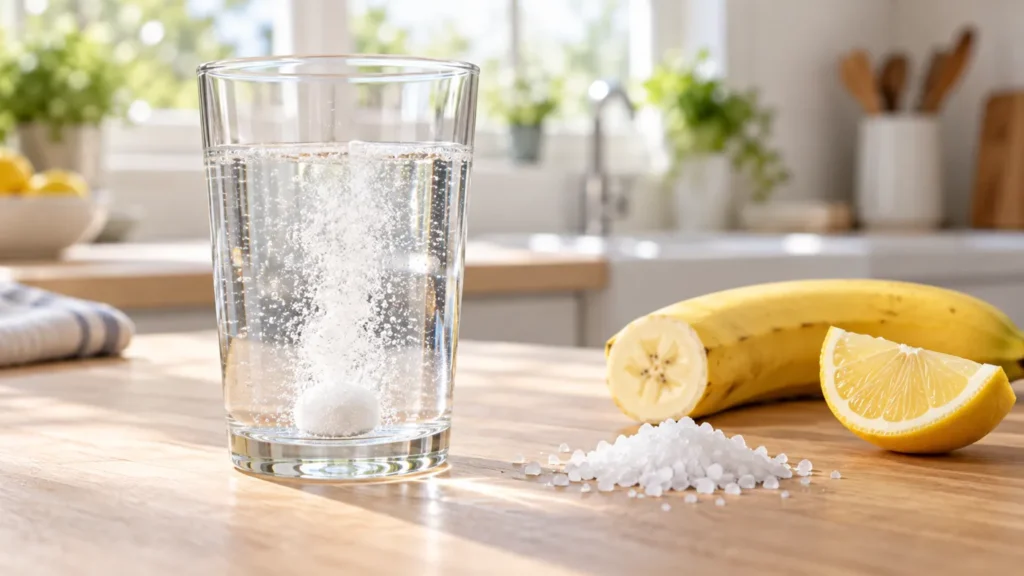
Electrolytes are worth paying for in three situations: long or very sweaty exercise, a stomach bug with vomiting or diarrhea, and a few medical conditions your doctor manages. Outside those, most Americans already get plenty of sodium from food, and a glass of water does the job. That is the whole answer. The rest of this page is about telling which situation you are actually in, because the powder aisle would prefer you never ask.
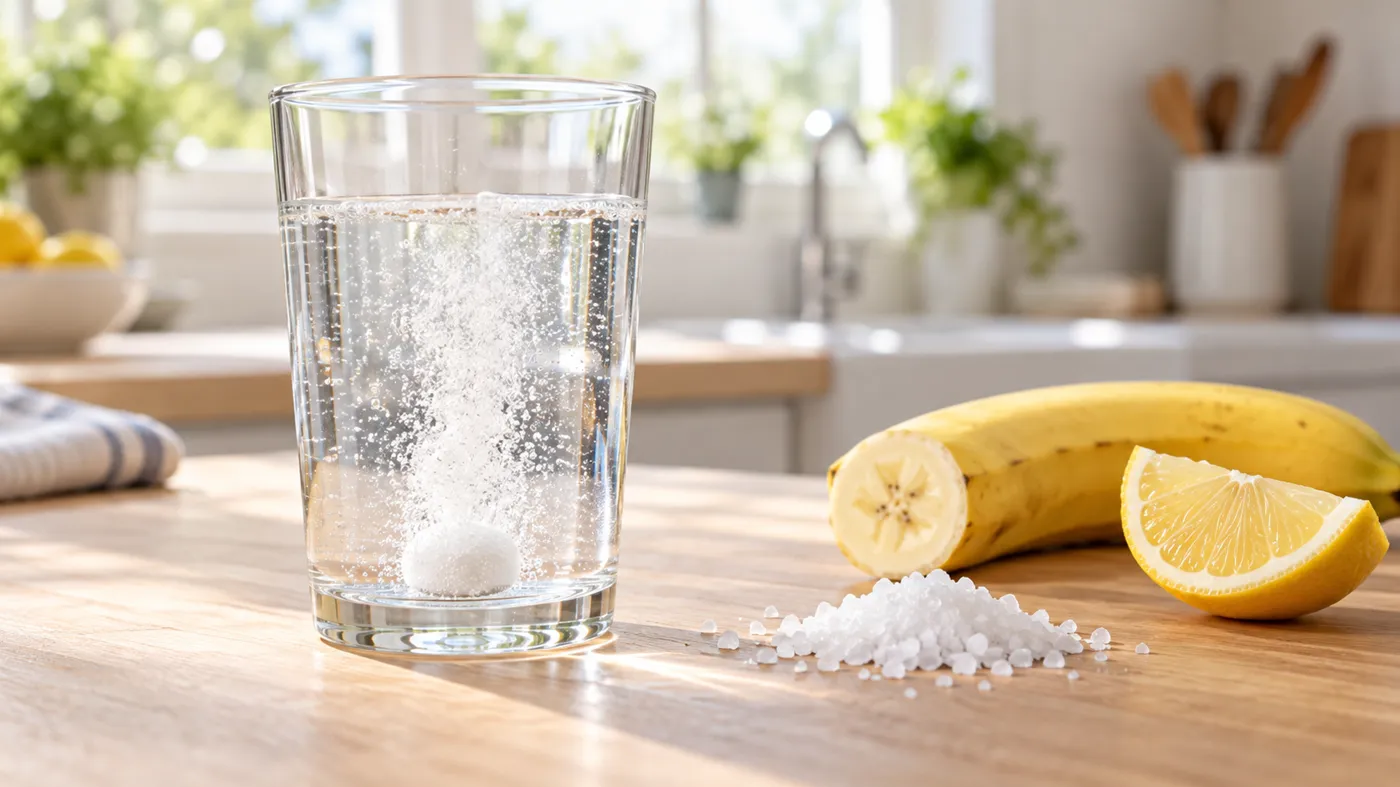
What do electrolytes actually do?
Electrolytes are minerals that carry an electric charge in your body fluids: sodium, potassium, chloride, magnesium, calcium and bicarbonate. Sodium is the headline one for hydration, because sodium decides where water sits in the body. Drink water with no sodium after heavy losses and much of it passes straight through. Potassium and magnesium matter too, but you mostly get them from food over days, not from one drink after a workout.
Magnesium in particular gets sold as a hydration mineral, which oversells it. If magnesium is what you are really after, our comparison of magnesium glycinate vs citrate explains which form suits sleep and which suits digestion.
Do you need electrolytes for everyday hydration?
Everyday hydration does not need an electrolyte drink for most healthy adults, because the typical American diet is already salty. The FDA reports that Americans eat about 3,400 mg of sodium a day on average, while the Dietary Guidelines for Americans advise keeping it under 2,300 mg for anyone 14 and older. Adding a 500 mg sodium stick to a desk job day pushes that number the wrong way.
Here is my honest take. If you like the taste and it gets you to drink more, fine. But a daily electrolyte habit is a flavor choice, not a health upgrade, and people watching their blood pressure should read the sodium line on the label before the marketing on the front.
When does exercise call for electrolytes?
Exercise calls for electrolytes when you sweat hard for a long time, roughly beyond an hour, or in serious heat. Sweat is salty. The American College of Sports Medicine, in its position stand on exercise and fluid replacement, puts sweat sodium at about 50 mmol per liter on average, with a wide range of 20 to 100 depending on heat acclimation, diet and hydration. If you finish a summer run with white salt lines on your cap, you are probably at the high end.
A 30 minute gym session in air conditioning is a different story. Water is enough there. The ACSM position stand notes that drinks with electrolytes and carbohydrate can beat water alone in certain conditions, and the conditions it describes are long, hot, heavy-sweat sessions, not a lunchtime spin class.

Can you overdo water without electrolytes?
Yes, drinking far more plain water than you sweat out can dilute blood sodium, a condition called hyponatremia. It is not hypothetical. A study of runners at the 2002 Boston Marathon, published in the New England Journal of Medicine in 2005, found that 13 percent of 488 finishers tested had hyponatremia, and 0.6 percent had critical levels. The runners most at risk drank more than 3 liters during the race, drank at every mile, finished slower than four hours and gained weight during the race.
The lesson is not “drink electrolytes instead of water.” It is “drink to thirst, and don’t finish a race heavier than you started.” Sodium in your drink helps a little, but volume is the real problem.
What should you use for vomiting or diarrhea?
An oral rehydration solution (ORS) is the right choice for vomiting or diarrhea, not a sports drink. The CDC states that sports drinks such as Gatorade do not replace diarrhea losses correctly, and it points to rehydration products like Pedialyte, Ceralyte or Oralyte instead. The difference is the recipe. The World Health Organization’s reduced-osmolarity ORS contains 75 mmol/L sodium and 75 mmol/L glucose at 245 mOsm/L, a balance designed so the gut absorbs water efficiently. Many sports drinks carry more sugar and less sodium, and extra sugar can pull water into the gut and make diarrhea worse.
If your stomach trouble keeps coming back, it is worth looking past the rehydration step at the cause. Our gut and digestive health range and the probiotics strain guide are a reasonable next read. And see a doctor fast for bloody stool, a fever that won’t quit, signs of dehydration in a baby or an older adult, or vomiting that stops you keeping any fluid down.
Which electrolyte option fits which situation?
Match the drink to the loss. This checklist sums up what the sources above support:
| Situation | Best fit | Why |
|---|---|---|
| Desk day, normal meals | Water | Diet already covers sodium for most people |
| Workout under an hour, cool room | Water | Sweat losses are small |
| Long run, hike or shift in heat | Electrolyte drink or tablet with sodium | Sweat sodium adds up over hours |
| Marathon or all-day event | Drink to thirst, include sodium, weigh before and after | Overdrinking plain water raises hyponatremia risk |
| Vomiting or diarrhea | Oral rehydration solution | CDC advises ORS over sports drinks |
| Fasting or low-carb start | Talk to your doctor first | Sodium and fluid shift early on |
That last row matters if you fast. Our guide on taking supplements while fasting covers what breaks a fast and what doesn’t.
Who should be careful with electrolyte products?
People with high blood pressure, kidney disease or heart failure should check with a doctor before using electrolyte powders, because these products can add real amounts of sodium or potassium. The NIH Office of Dietary Supplements lists the adequate potassium intake at 3,400 mg a day for adult men and 2,600 mg for women, and notes that some blood pressure medicines change how the body handles potassium. Stacking a high-potassium powder on top of those drugs is exactly the kind of combination covered in our list of supplements that should not be taken together.
And if you reach for electrolytes because you feel flat every afternoon, low sodium is rarely the culprit. Sleep, iron and meal timing are more common suspects; our piece on supplements for energy walks through them.
Electrolytes FAQ
Are electrolyte drinks better than water?
Electrolyte drinks are better than water only after big sweat losses or illness. For ordinary days and short workouts, water hydrates you just as well without the extra sodium or sugar.
Is Pedialyte just for kids?
Pedialyte is an oral rehydration solution sold for children and adults. The CDC lists it among the rehydration products to use for diarrhea losses, for grown-ups too.
How do I know if I need electrolytes after exercise?
You likely need electrolytes if you sweated heavily for more than about an hour, see salt crust on your clothes or skin, or trained in heat. Cramping alone is not a reliable sign, since cramps have several causes.
Can I take electrolytes every day?
Most healthy adults can, but few need to. Read the sodium per serving and count it against the 2,300 mg daily limit from the Dietary Guidelines, and ask your doctor first if you have blood pressure, kidney or heart issues.
This article is general information, not medical advice. Talk to your doctor or pharmacist about your own situation.